Aiacademysg

Approach

Aiacademysg is a small AI academy in one-north. We opened in 2026. We teach in conversation first, then in short sittings, because most people do not need a catalogue of tools. They need a clear view of which parts of the week are worth changing.

About

About Aiacademysg

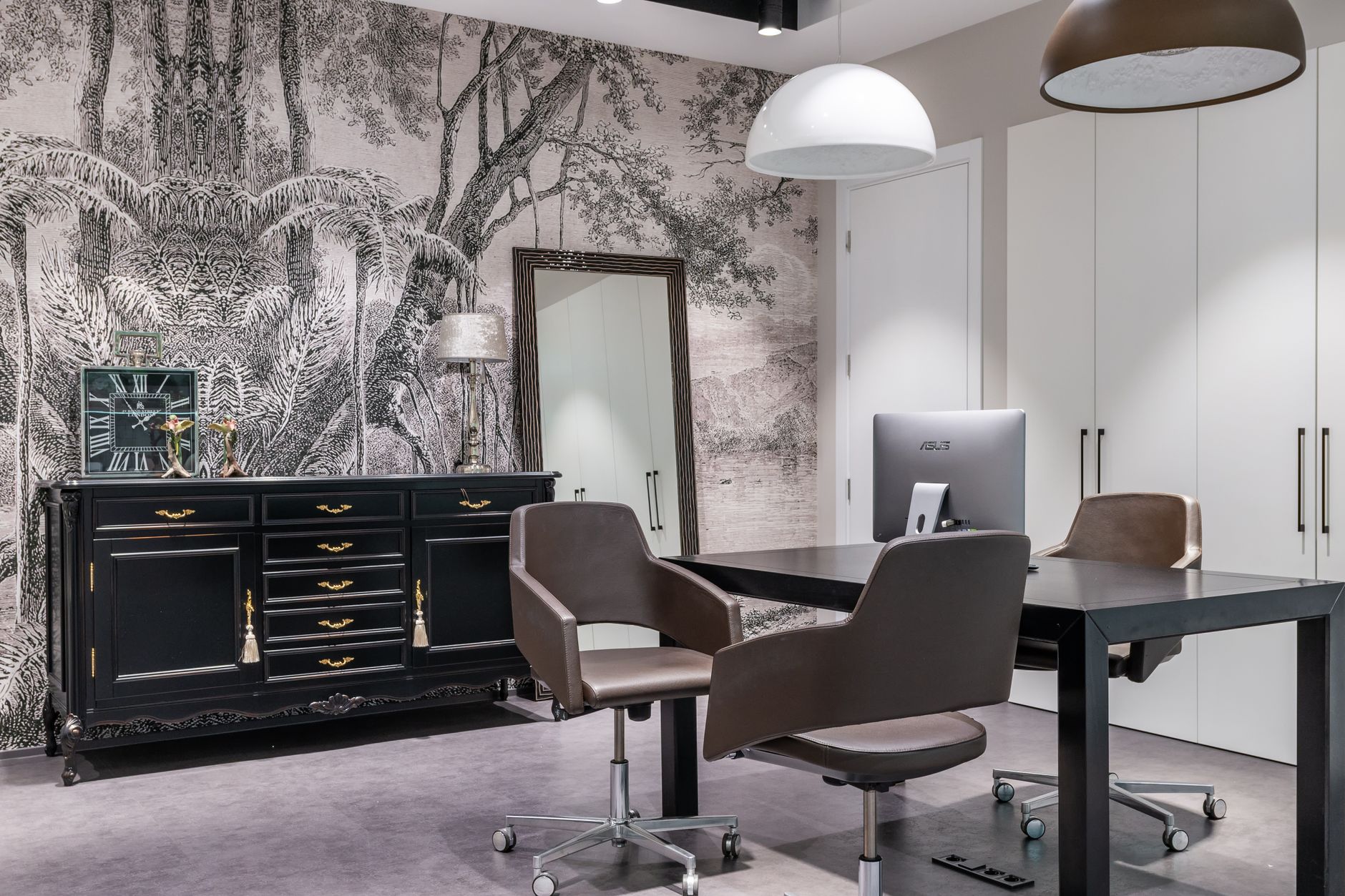
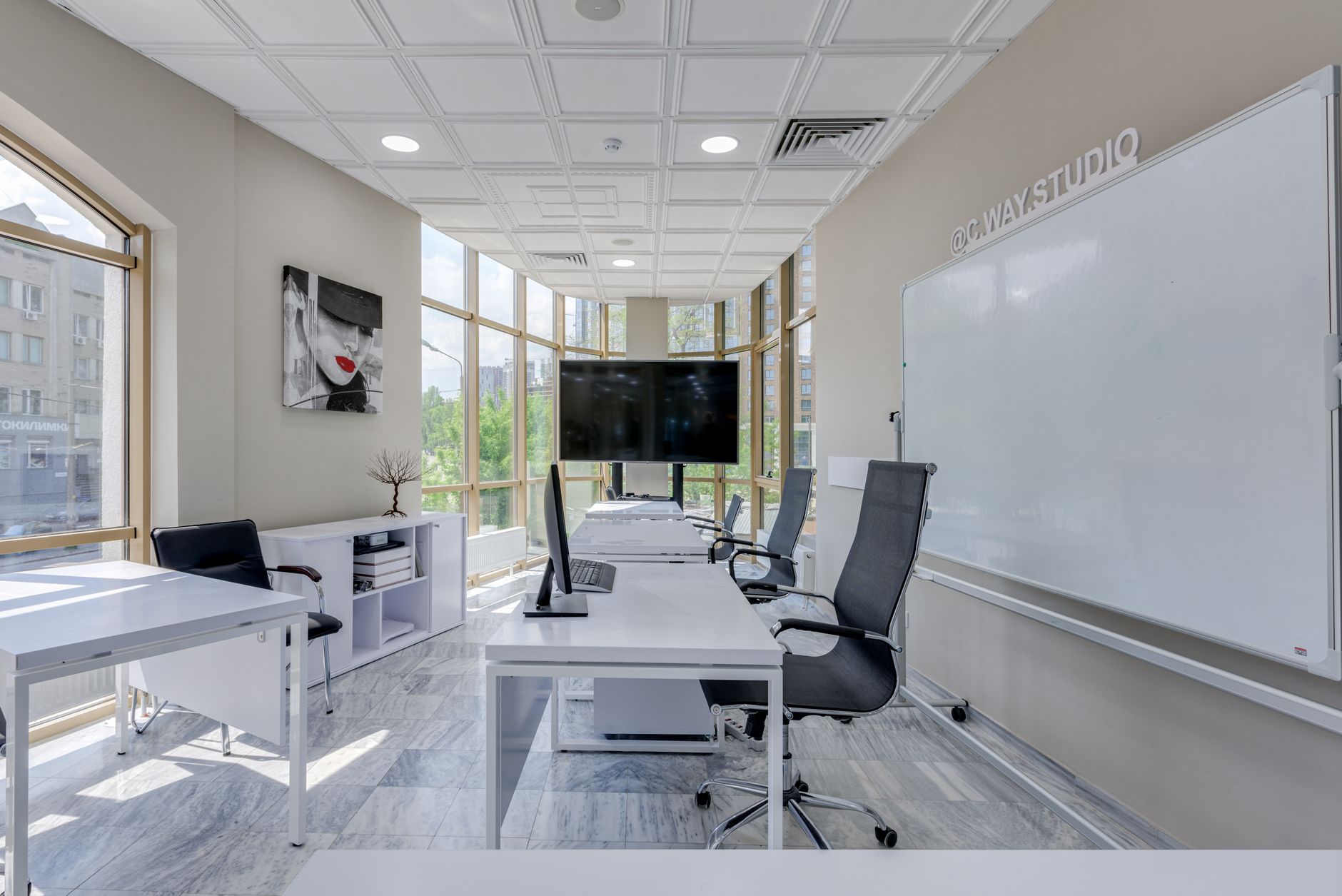
Aiacademysg opened in 2026 at 1 Fusionopolis Place, in the Galaxis building in one-north. The campus room is a working classroom, not a showpiece: tables, power, a screen, and enough quiet to look at real tasks. We keep cohorts small, usually eight to fourteen people, so that a tutor can sit with you while you try something on your own work rather than talking at a hall.

Sessions are taught by practising specialists. They spend the rest of their week in operations, analysis, administration, or similar desk work. We do not publish a faculty page with names and portraits, because the person in the room is assigned after we have heard what you actually need. You will know who is taking your group when we write back after the advisory call.

We are not a research lab and we are not a placement service. The academy exists to help working adults and teams in Singapore use ordinary AI assistants with care: to draft, to summarise, to structure tables, and to check what comes back. If that sounds slower than a poster promising a new career, it is meant to. You can read how the programmes are structured on the programmes page, and how we work with organisations on for teams.

Campus room

Principles

Six teaching principles

These are the rules we hold ourselves to in the room. They are also the reason an advisory call comes before enrolment. If your week does not fit this way of working, we will say so.

The task comes before the tool

We start by writing down the job you are trying to finish this week: a report, a queue of emails, a spreadsheet that never quite settles, a briefing that has to be accurate. Only then do we open an assistant. A licence bought in advance of a described task tends to sit unused, or worse, it gets used on the wrong work. The first hour of a programme is almost always paper and conversation.

A result you can repeat matters more than a clever demo

A prompt that works once in class is a party trick. We spend time turning a lucky attempt into a short, written pattern you can run again next month: the same inputs, the same checks, the same place you store the draft. If a method cannot be handed to a colleague in a paragraph, we treat it as unfinished.

Checking the output is part of the work

Models invent, omit, and flatten. Every sitting includes a verification pass: what must be true, where you would look it up, and what you will not send on until a human has read it. We would rather you leave slower and safer than faster and exposed. The guidance notes include a checklist you can keep on the desk.

We work on the participant’s own material, within limits

Generic case studies teach less than a real inbox. Where it is safe, we ask you to bring a sanitised example from your week. Where it is not safe, we build a close substitute together. We never ask you to paste customer files, staff records, or anything your organisation would not put on a public webpage. That boundary is discussed again in the confidentiality section below.

Nobody is asked to memorise prompts

A prompt is a draft of an instruction, not a spell. We show you how to write one you can edit, date, and store beside the rest of your working notes. If a course requires you to recite a paragraph from memory, it is teaching the wrong habit. The skill is to describe the task clearly enough that next month’s you can still run it.

The sitting ends with something you can use on Monday

Each evening closes on an artefact: a template, a checked draft, a short procedure, or a decision that a tool is the wrong fix. You should be able to open that file at your desk the following week without us in the room. If a session produces only slides, we have failed the sitting, and we treat that as our problem to correct.

Session

What a session actually looks like

A weekday evening sitting runs for 150 minutes. Weekend sittings use the same shape with a slightly longer pause in the middle. Phones stay on the table; the work is on your laptop. Below is the usual arc. Times flex by ten minutes either way if the group is stuck on a real task, which is often the most useful part of the night.

1

Minutes 0–15 · Arrival and the week’s task

People sit, open the workbook, and write one sentence about the job they brought. We recap the previous sitting in five minutes, then collect the sentences on the board. The point is to stop the room from drifting into tool talk before anyone has named the work.

2

Minutes 15–40 · Framing on paper

Together we turn that sentence into a brief: audience, facts that must be right, tone, length, and what “done” looks like. We mark what must never go into a public assistant. This is slow on purpose. Most mistakes later in the evening come from a brief that was never written down.

3

Minutes 40–75 · Guided attempt

The tutor works one example in the open, then the group tries the same shape on their own material. We stop often. When an output looks polished, we ask how you would check it. When it fails, we rewrite the instruction rather than adding adjectives until it “feels” better.

4

Minutes 75–85 · Pause

A short break. No new content. People who want a quiet word about a sensitive example can take it then, without putting the detail in front of the whole room.

5

Minutes 85–130 · Independent work with coaching

You run the pattern on a second task from your week. The tutor moves table to table. We are looking for a version you could hand to a colleague: named, dated, with a verification step attached. If the tool is the wrong fix, we say so and sketch a process change instead.

6

Minutes 130–150 · Artefact and recap

Two or three people show what they will actually use on Monday. We write the group’s remaining risks on one slide: facts still unchecked, data still too sensitive, steps still missing. You leave with the file, not with a recording of the tutor talking.

If you want the same shape for a whole team, with scoping done in advance, see for teams. Questions about missed sittings, certificates, and group size are answered in the FAQ.

Materials

Materials you keep

You leave each programme with a small set of files, not a portal that expires. We write them so they still make sense six weeks later, when the sitting is a memory and your inbox is not.

The working notebook is a PDF. It holds the briefs we use in class, space for your own task descriptions, and the verification steps we practise. You may print it or keep it on the laptop; either is fine. We do not lock it behind an account.

Beside the notebook sits a short set of templates: a reusable prompt sheet with fields for audience, facts, and constraints; a table-generation brief; a meeting-notes structure; and a one-page procedure for “when the model is wrong”. These are starting points. You are expected to rewrite them for your desk.

The third piece is a checklist for checking output: claims to verify, sources to open, and a reminder of what you agreed not to paste. We walk through it in class so it is not a poster you ignore. After the programme we do not add you to a mailing list. If you want another sitting, you write to us.

Course workbook

Confidentiality

Data and confidentiality in class

Public assistants are not a filing cabinet. We ask you not to bring customer records, staff files, identification numbers, health details, unpublished financials, or anything your organisation would treat as internal. If you are unsure, leave it at the office and describe the shape of the task instead. We can build a close example from that description.

In the room we work on sanitised samples: names changed, figures rounded, attachments removed. When a team books a private sitting, we agree in writing what may appear on a shared screen. We do not copy your files onto our machines, and we do not ask for login details to your work systems. You use your own accounts, on your own laptop, under your own organisation’s rules.

Singapore’s personal data rules are strict, and we treat that as a reason to be conservative, not as a cue to give legal advice. We will not tell you that a particular paste is “fine”. We will tell you how we decide, and we will stop a demonstration if the example has drifted into real data. If your organisation already has an acceptable-use note for AI tools, bring it. We will teach inside that fence rather than around it.
Limits

When we say no

An advisory call sometimes ends with a recommendation not to enrol. That is a normal outcome. We would rather send you away with a short written note than take a fee for a sitting that will not help.

We decline work that is really a request to build or train a foundation model, to trade on model-generated forecasts, or to find ways around an employer’s or a public body’s policy. We also decline when the honest fix is two hours of process design and no course at all: a form that should not exist, a handoff that should be written down, a report that nobody reads. In those cases we say so in the read-back.

If you need a computer-science degree pathway, a vendor certification, or a promise that a short course will make you an engineer, we are the wrong room. We teach working use of assistants, transcription, drafts, tables, and basic automation, with verification attached. We will point you toward public documentation or toward a different kind of provider when that is the better next step.

Teams that want a private clinic or a six-week cohort are welcome to write, provided the scoping conversation is allowed to change the brief. Individuals who are still choosing a format can start with the programme list and then book a twenty-minute call. We answer from hello@aiacademysg.com within one working day.

Talk to us before you enrol

Twenty minutes is enough to look at your week and say whether a sitting is worth it. If it is not, you will still have a written note. Consultations run Monday to Friday, 09:30–18:30, and Saturday 10:00–14:00 by appointment. Sunday is closed.

+65 6890 3157
hello@aiacademysg.com
1 Fusionopolis Place, #08-12, Galaxis, Singapore 138522

Book a 20-minute advisory call